
The Great Bordstein Conspiracy
Why are entrance kerbs in Germany so absurdly high?
An entrance kerb or dropped kerb (abgesenkter Bordstein) is meant to be flush, so that people can smoothly cross the road. However, badly designed or poorly installed kerbs have an upstand, a raised lip, that inevitably trips pedestrians and violently jolts bikes, prams, wheelchairs and trolleys, strewing your shopping and Pfandflaschen across the carriageway.
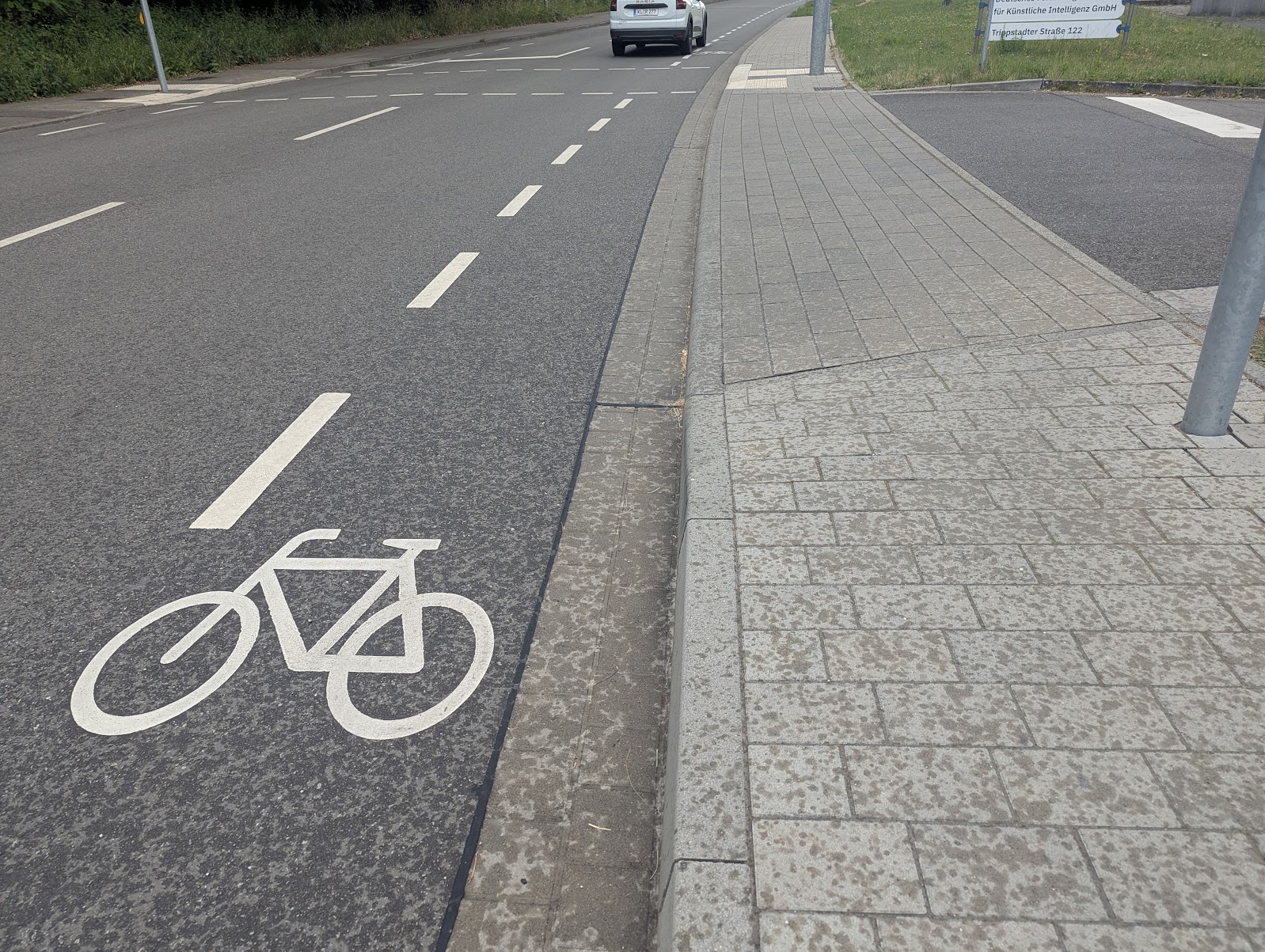
In many areas here in Kaiserslautern in the Rhineland-Palatinate, side roads have no dropped kerbs at all, making it impossible for wheelchair users to navigate unassisted (and raising the question of who pavements are really for). Where the entrance kerbs are present—at junctions, entrances to car parks and crossings—the kerb is dropped just far enough to let a motor vehicle cross the footway, but not enough to allow unimpeded access to anybody else, enshrining the Autogerechte Stadt. Infamous examples in K-Town may be found on Köngistraße and around Opelkreisel.
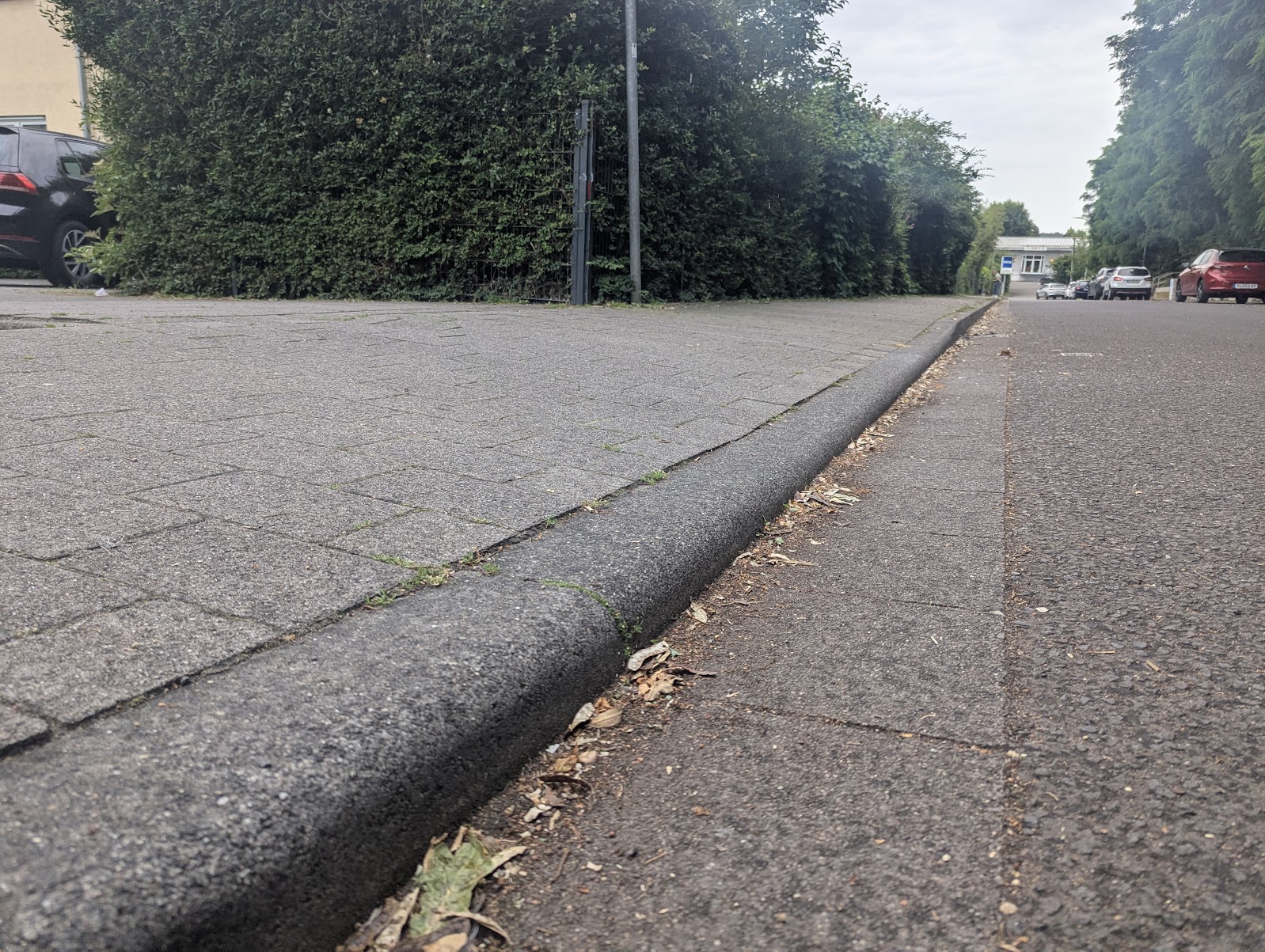
A 3cm high upstand, ostensibly to stop visually impaired pedestrians from wandering into traffic, is a poor substitute for proper tactile paving, and makes entering and leaving the carriageway dangerous for anybody not in a car. Crossing points should be flush and if you disagree, you are wrong. This relic of bad civil engineering is enshrined in DIN 18040-3. Encoding bad practices in incorrect standards is the best way to ensure they stick around. Meanwhile, flush entrance kerbs help everyone.
But I don’t think it is fair to say that German street planning is incompetently thought out or, dare I say it: that highways engineers are ‘just following orders’. There are flush kerbs in some areas, so they cannot even claim ignorance or unavailability of materials, and some of the higher kerbs are newly installed. A far more charitable explanation for this hellish streetscape is that darker forces are at play: namely, Big Fork.
Ever wondered why so many bikes in Germany have short-travel front suspension, even though it makes the bike heavier, more expensive and more work to maintain?
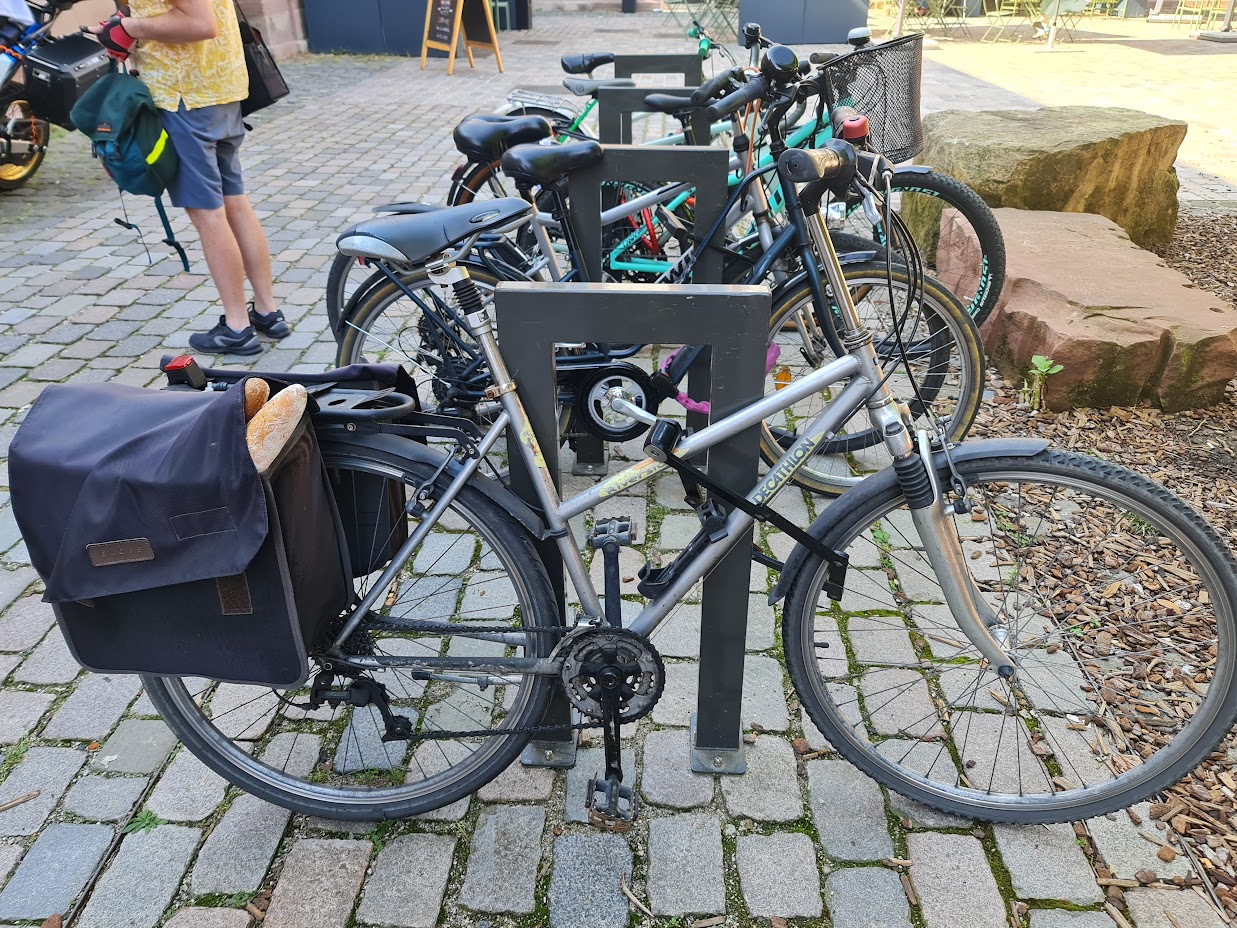
Simple. It’s a conspiracy.
By installing 3cm-lips everywhere in the city that are impossible to navigate safely except at 90-degree angles, demand for so-called trekking bikes with front shocks is assured. Thick Schwalbe Marathon tyres get a windfall too, protecting cyclist rims from kerb strikes. (Note this is separate from the conspiracy to sell Abus folding locks, through use of DIN 79008 to prevent installation of good quality bike racks.)
It’s the only reasonable explanation. That, or they just want us to drive.
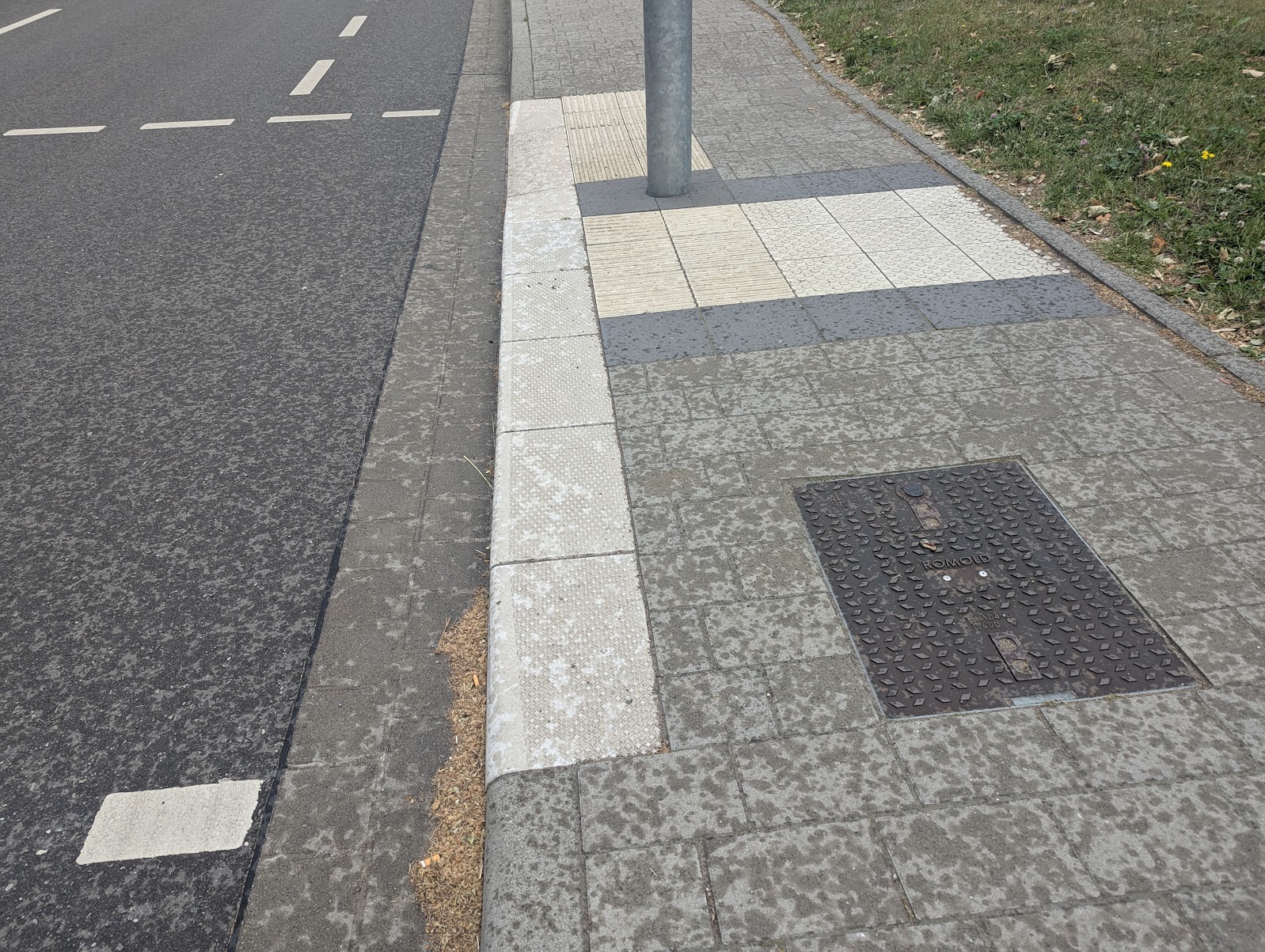
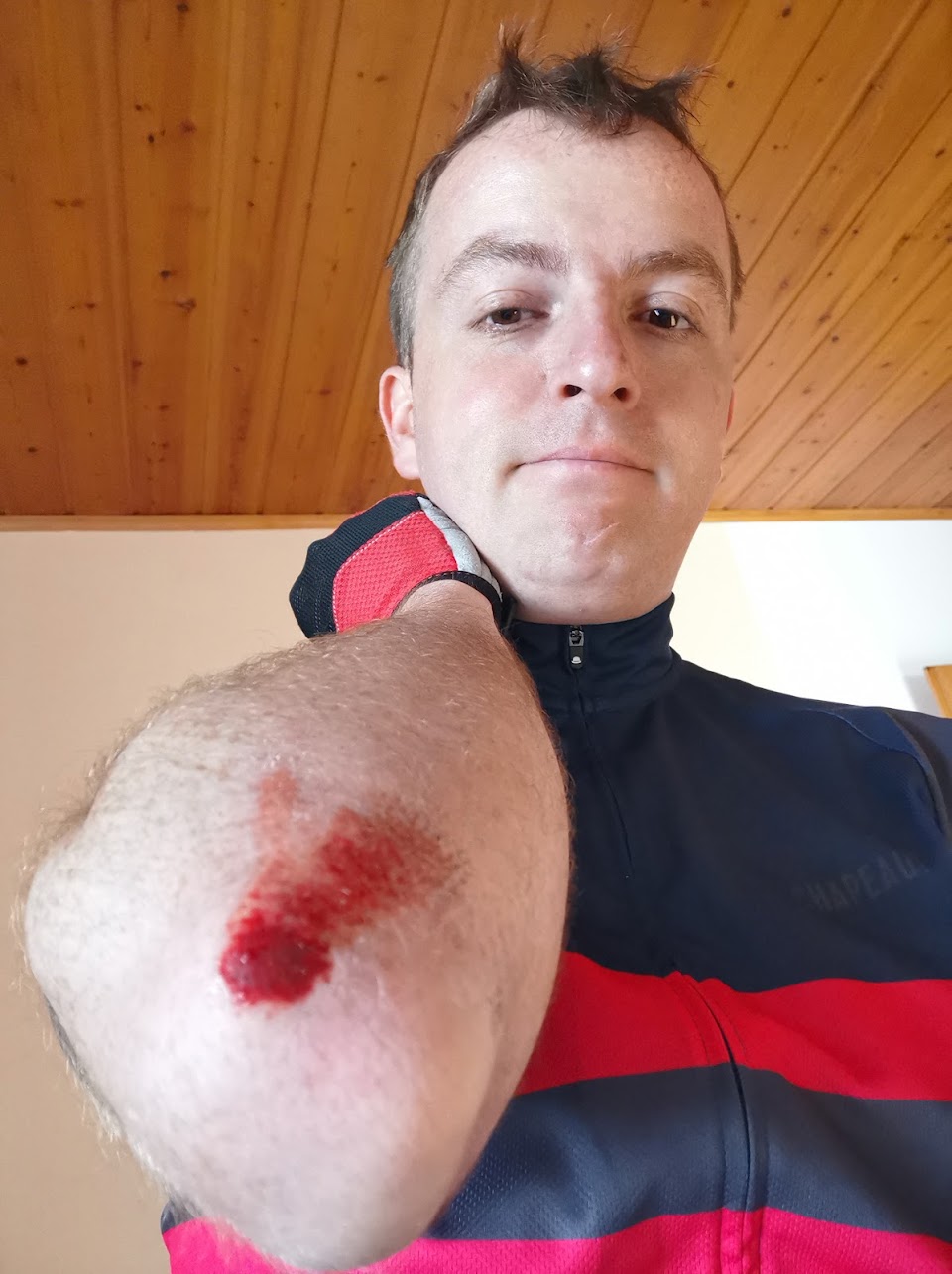
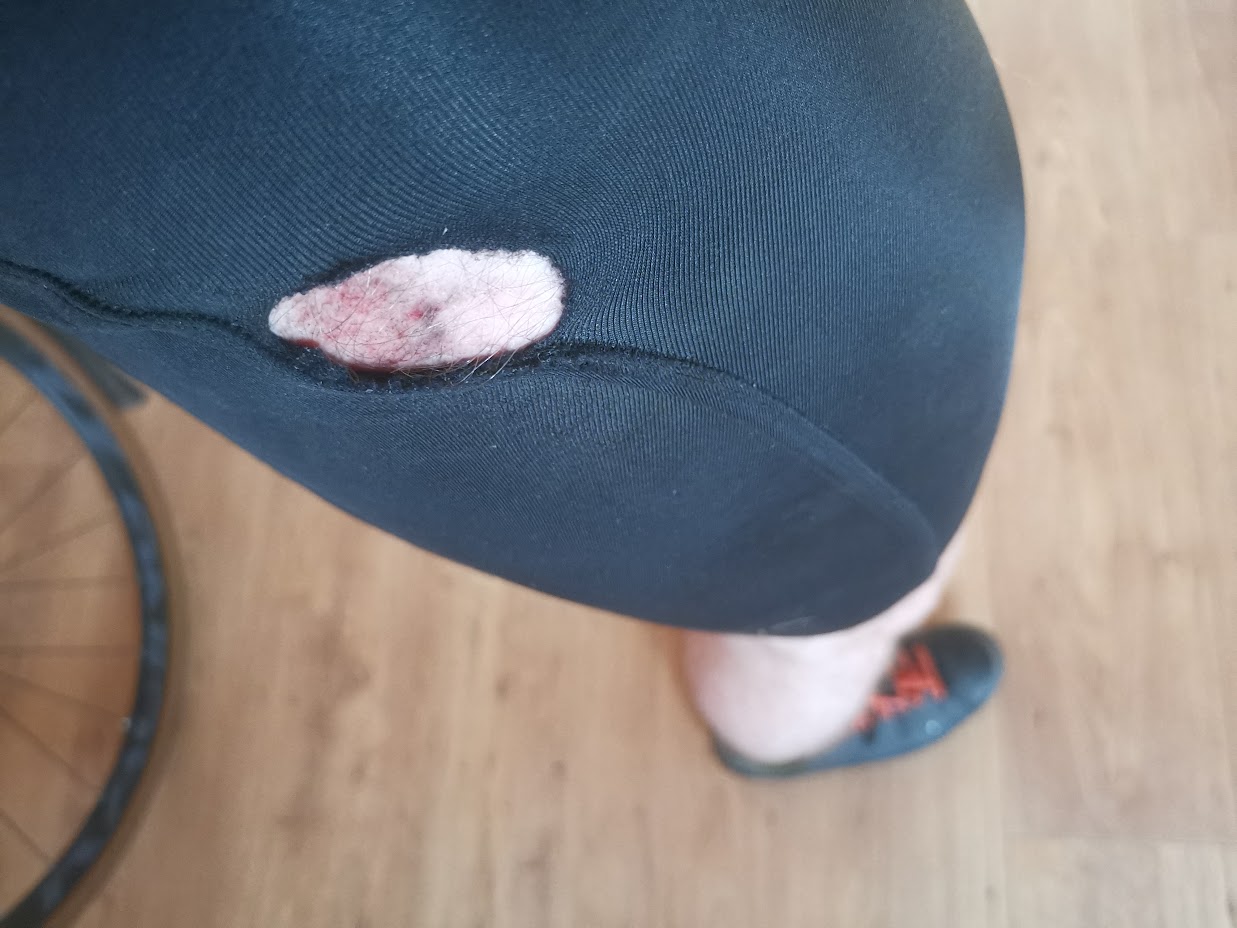
All is not lost: Lautern City Council recently replaced the offending crossing at Marktstraße/Steinstraße, though not before it claimed a couple of victims — namely my elbow and my cycling shorts, after throwing me off my bike (below). The new design has flush kerbs, albeit for narrow sections.
Meanwhile the newly-installed bicycle gate at Bismarckstraße just got put in with the wrong (too high) kerb stones, but the local cycling commissioner has already acknowledged the problem.